
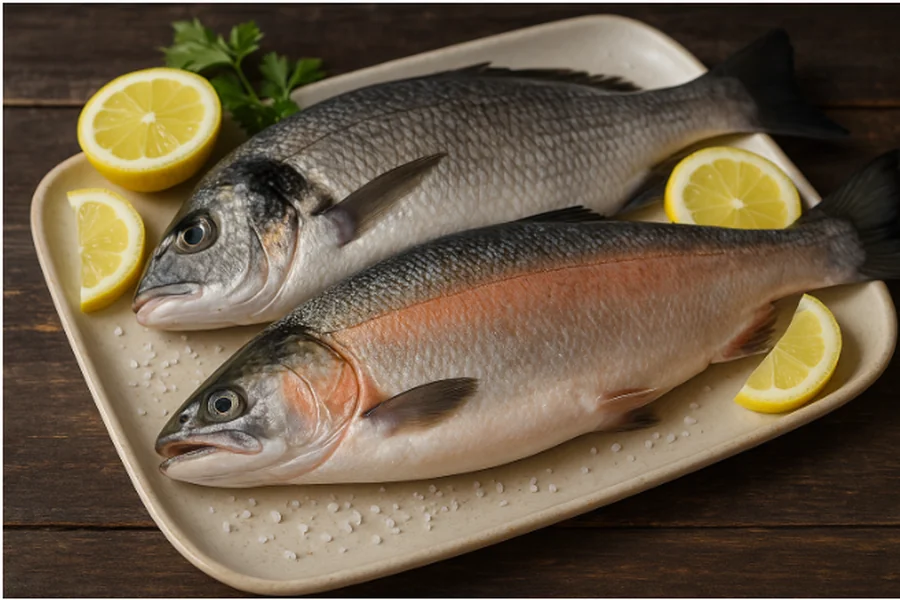
The Subtle Secrets Behind Seafood Flavor
In kitchens across the U.S., seafood dishes continue to charm diners with their clean flavors, delicate textures, and perceived health benefits. From grilled salmon steaks to spicy tuna rolls, Americans are embracing the ocean’s bounty more than ever. But behind every forkful lies a journey—one not often visible on the plate.
Where seafood comes from—how it lived, what it ate, and how it was harvested—quietly determines not only its nutritional profile but also its taste, price, and even ethical footprint. For food lovers and conscious diners, understanding that journey is just as essential as choosing between sushi or ceviche.
Dining With Purpose: Why Seafood Source Matters
The modern American menu reflects a growing concern with food origin, and seafood is no exception. With climate change, overfishing, and evolving aquaculture methods, more chefs and home cooks are taking an interest in how their seafood was sourced.
Seafood falls broadly into two sourcing categories: farm-raised and wild. Each has its pros and trade-offs, but they differ significantly in how they impact flavor, sustainability, and nutritional value.
Farm-raised seafood is cultivated in controlled environments—usually tanks or ocean pens. It allows for consistent supply and pricing, but often at the cost of taste or nutrient richness. By contrast, wild caught seafood lives and grows in its natural habitat, eating a diverse diet and developing more robust muscle texture. These conditions often translate to more flavorful, leaner, and nutrient-dense fillets.
Unseen Influence: Habitat and Diet
Fish, like any other animal, reflect the environment in which they live. Their habitat influences everything from their fat content to their mineral profile.
Consider the difference between a farm-raised salmon and one caught in the open Pacific. The former may be fed a formulated diet and swim in a confined space. The latter chases prey in cold, flowing waters, building muscle and developing richer coloration and flavor.
For diners who value nuanced texture or seasonal variation in taste, wild caught seafood becomes more than a luxury—it becomes a form of culinary authenticity. It’s a bit like choosing grass-fed beef or heirloom tomatoes: the story behind the food enhances the experience on the plate.
Nutrition That Reflects Nature
Beyond taste, origin affects the health benefits of seafood. Many nutritionists note that wild species tend to have higher concentrations of omega-3 fatty acids, fewer additives, and lower levels of contaminants like antibiotics, which are sometimes present in farmed environments.
That doesn’t mean farm-raised options are inherently bad—many are raised under strict quality control and are vital for meeting global seafood demand. However, for those prioritizing purity and nutrient density, sourcing becomes a key consideration.
This distinction is especially important for individuals following heart-healthy or anti-inflammatory diets, where the quality of omega-3s matters. Choosing seafood that mirrors nature as closely as possible can amplify its intended health benefits.
From Ocean to Plate: Transparency Is the New Luxury
In the past, ordering seafood came down to simple choices—shrimp or scallops, broiled or fried. Today, it’s also about traceability.
Many restaurants now include sourcing notes on their menus, and grocery chains are labeling fish with origin and catch method. This move toward transparency empowers consumers to make more aligned choices—whether for environmental ethics, taste preferences, or dietary goals.
Online seafood marketplaces have also emerged as a trusted bridge between fishermen and consumers. Platforms offering direct access to traceable seafood allow buyers to choose based on sustainability certifications, region, and even fishing method. For those who can’t travel to a coastal dock but still want to enjoy quality seafood, these services are the next best thing to casting the net themselves.
The American Palate Evolves
America’s love affair with seafood is becoming more discerning. Diners are no longer satisfied with generic white fish or imported farm fillets. They want to know the how, where, and why behind every bite.
That curiosity is reshaping seafood menus across the country—from upscale coastal restaurants to fast-casual poke bowl joints. Regional specialties are gaining traction, and consumers are becoming more open to less familiar, locally sourced fish. This shift encourages more sustainable consumption habits and highlights the diversity of American waters.
As food culture becomes more rooted in storytelling and ethics, choosing seafood becomes an act of culinary identity.
Making the Conscious Choice
Whether you’re a home cook selecting ingredients for a seafood risotto or a restaurant-goer browsing the dinner menu, knowing the source of your seafood adds a deeper layer to the experience. It allows you to enjoy food not just for flavor, but for the principles it represents.
And while not every diner may be able to tell the difference between a farm-raised or wild fillet by taste alone, the subtle impact on quality, health, and environment adds up over time. Small, conscious choices can lead to big shifts in the food system.
With better access to sourcing info, chef transparency, and consumer education, it’s never been easier to align your plate with your values.
Final Bite
Seafood isn’t just food—it’s a reflection of ecosystems, economies, and evolving culinary values. By understanding where your fish comes from, you’re not just enhancing your meal. You’re contributing to a more sustainable, transparent, and flavorful future.
So next time you’re standing at the fish counter or browsing a dinner menu, remember: the sea may be vast, but your choice doesn’t have to be.
And when flavor, nutrition, and integrity all matter, wild caught seafood is worth savoring.