
Staying healthy isn’t a one-size-fits-all endeavor, what works brilliantly at twenty might not serve you as well at fifty or seventy. Our bodies evolve dramatically from childhood through our golden years, and each phase brings its own set of challenges, opportunities, and health priorities. The good news? Understanding these distinct stages can transform how you approach wellness, giving you the tools to thrive no matter your age. This guide walks through the major life phases with practical, science-backed strategies that’ll help you feel your best at every turn.
Childhood and Adolescence: Building Strong Foundations
Think of childhood as the construction phase of a lifelong building, the foundation you lay here matters enormously. What kids eat during these critical years doesn’t just fuel their immediate energy needs; it shapes their relationship with food for decades to come. A colorful plate packed with calcium-rich dairy, quality proteins, and brain-boosting healthy fats sets children up for robust growth and sharp minds. But here’s the thing: it’s not just about nutrition.
Then comes adolescence, that rollercoaster phase where hormones surge and everything feels magnified. Teenagers navigate dramatic physical transformations alongside intense emotional shifts, making this an especially vulnerable time for mental health. Open conversations about these changes shouldn’t feel awkward, they’re essential. Sleep becomes non-negotiable during these years, yet it’s often the first thing sacrificed to social pressures or academic demands.
Young Adulthood: Establishing Healthy Habits
Young adulthood arrives with newfound freedom and a critical window for cementing lifelong wellness patterns. This is when health either becomes a priority or gets pushed aside by career ambitions and social calendars, and that choice reverberates for decades. Making exercise a regular part of your week isn’t about vanity; it’s an investment that pays compound interest. Aim for about 150 minutes of activity that gets your heart rate up, plus some strength work to keep muscles engaged and metabolism humming.
Here’s where preventive care shifts from parental oversight to personal responsibility, and it’s surprisingly easy to let it slide. Regular check-ups, blood pressure monitoring, cholesterol screenings, and dental visits catch small problems before they become big ones. For women especially, establishing care relationships for reproductive health becomes crucial. Those who find themselves expecting need comprehensive monitoring throughout pregnancy, and professionals seeking thorough prenatal support can benefit from obstetric care in Richmond, VA to ensure both maternal and fetal well-being throughout this transformative time. Mental health deserves just as much attention as physical wellness, young adults face unique pressures juggling career launches, relationship dynamics, and financial stresses. Building a toolkit of healthy coping strategies and knowing when to seek professional support isn’t weakness; it’s wisdom that’ll serve you through whatever life throws your way.
Middle Age: Prioritizing Prevention and Balance
Welcome to the middle decades, where life gets wonderfully complex and your body starts sending you gentle (sometimes not-so-gentle) reminders that you’re not twenty anymore. Metabolism slows down a bit, muscle mass naturally declines if you don’t actively work to maintain it, and suddenly those late nights have consequences. The solution? Get strategic about movement. Strength training becomes your best friend for preserving muscle, supporting bone density, and keeping your metabolic engine running efficiently.
This is also when preventive screenings shift from occasional to essential. Mammograms, colonoscopies, prostate exams, these aren’t fun, but they’re potentially lifesaving by catching serious conditions when they’re most treatable. Many people develop their first chronic conditions during these years, whether it’s elevated blood pressure, borderline diabetes, or cholesterol that’s crept too high. Managing these through lifestyle changes and appropriate medical care prevents them from derailing your later years.
Senior Years: Embracing Vitality and Wellness
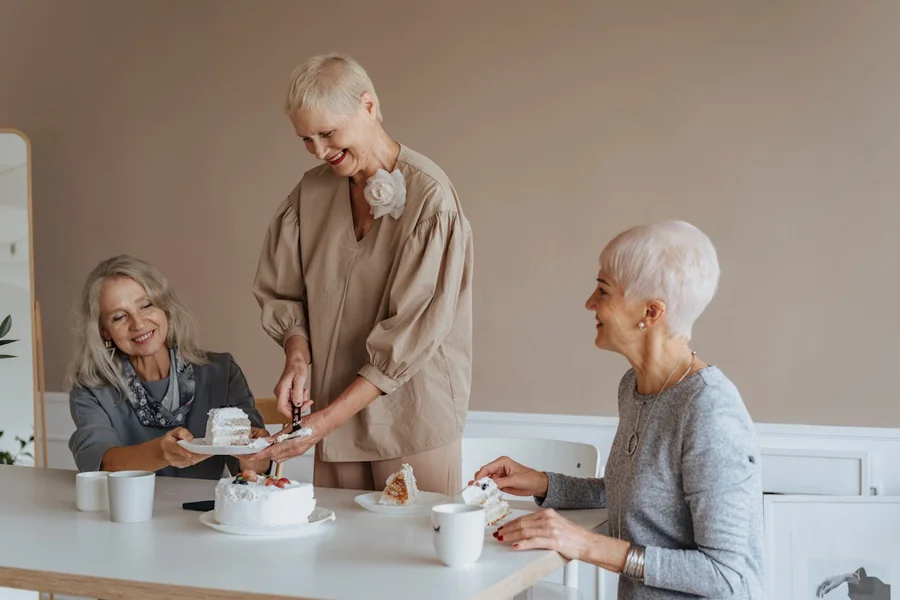
The notion that senior years mean declining health and diminished vitality? That’s outdated thinking that doesn’t match what’s possible with the right approach. Physical activity remains fundamental, though the specific activities might evolve toward options that protect joints while still challenging strength and balance. Water aerobics offers resistance without impact, tai chi builds stability with grace, and gentle stretching maintains the flexibility that makes everyday movements easier. What you eat matters differently now, protein becomes more important for preserving muscle mass, calcium and vitamin D work together to protect bones, and staying hydrated supports everything from cognition to digestion.
Keeping your mind sharp deserves as much attention as maintaining physical health. Research consistently shows that mental stimulation, social engagement, and lifelong learning all protect cognitive function. Learning a new language, taking up painting, joining book clubs, or volunteering, these aren’t just pleasant pastimes, they’re brain protection. Meaningful relationships and community involvement combat isolation while supporting emotional wellness.
Conclusion
Health across the lifespan isn’t about following a single set of rules, it’s about adapting your approach as your needs evolve through different life chapters. Each stage brings its own mix of challenges and opportunities, calling for specific strategies around nutrition, movement, preventive care, and emotional wellness. When you understand what your body needs during childhood’s rapid growth, young adulthood’s habit-forming years, middle age’s balance-seeking phase, and the senior years’ vitality maintenance, you’re equipped to make choices that genuinely serve your wellbeing. Starting strong with solid foundations, maintaining preventive care throughout your adult years, and staying flexible as your needs shift, that’s the recipe for sustained wellness.