If you’re preparing to have your roof replaced, you’re likely wondering how long the entire process will take. Knowing the timeline in advance helps you set expectations, plan around the disruption, and ensure everything runs smoothly. While most residential roof replacements take anywhere from one to five days, several key factors can influence the duration. For homeowners seeking to minimize delays and achieve high-quality results, collaborating with experienced contractors and comprehending the entire process is essential. You can also check for weather-specific roofing guidance through external resources if you’re planning during seasonal changes.
Here’s a complete breakdown of what affects the timeline and what each phase of a typical roof replacement involves.
1. Pre-Installation Phase: Initial Inspections and Scheduling (1–2 Weeks)
The process begins well before any shingles are torn off. After selecting a roofing contractor, an inspection is scheduled to assess the condition of your current roof, identify any structural concerns, and determine the type of materials needed. This phase may also include:
- Signing contracts
- Selecting materials and colors
- Permitting, depending on local building regulations
This stage typically takes one to two weeks, although it may take longer in cities with stricter permitting requirements or during busy seasons.
2. Delivery of Materials (1–3 Days Before Start)
Your contractor will schedule a delivery of roofing materials, typically one to two days prior to the actual work commencing. These include shingles, underlayment, flashing, and ventilation components. You’ll need to make space on your driveway or yard for delivery, as these materials are often dropped off using a boom truck or pallet system.
3. Roof Tear-Off: Removing the Old Roof (1 Day)
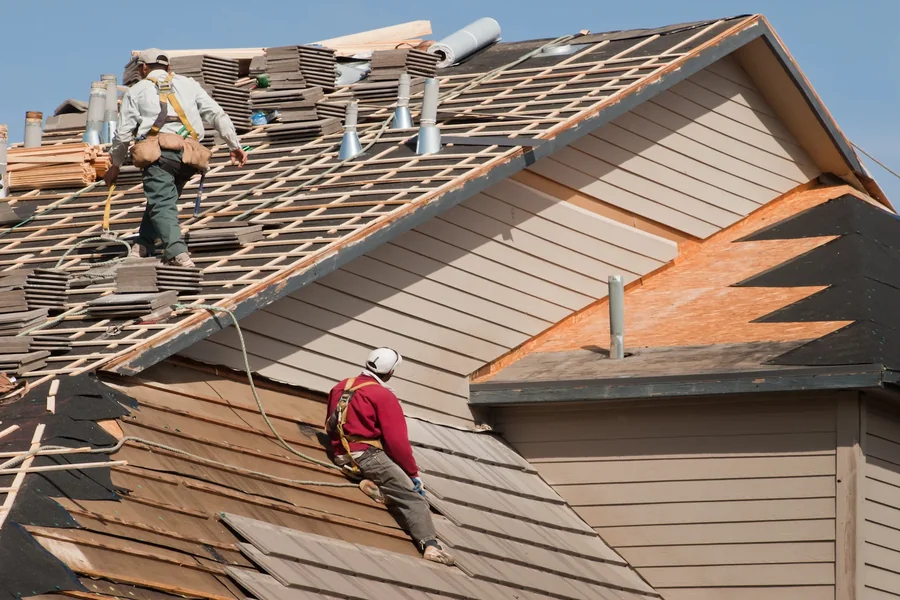
On the first day of physical work, the team will begin tearing off your existing roof. This process usually takes one day for average-sized homes. However, if your roof is large, steep, or has multiple layers of old shingles, the process may take longer.
A complete tear-off is essential for inspecting the decking underneath and determining if any repairs or replacements are necessary.
4. Structural Repairs, If Needed (0–2 Days)
If the tear-off reveals water damage, rot, or sagging in the roof deck, additional repair work may be needed. The time required here depends on the extent of the damage. In many cases, minor repairs can be completed the same day, but severe structural issues could add a couple of days to the overall timeline.
5. Installing the New Roof (1–3 Days)
Once the surface is ready, the roofing crew will begin laying down the underlayment, flashing, drip edges, and finally the shingles or tiles. The complexity of your roof—the number of valleys, ridges, chimneys, or skylights—can affect how long this takes.
Most asphalt shingle roofs are installed within one to two days. More complex materials, such as slate, tile, or metal roofing, require additional time due to the precision and weight considerations involved.
6. Cleanup and Final Inspection (1 Day)
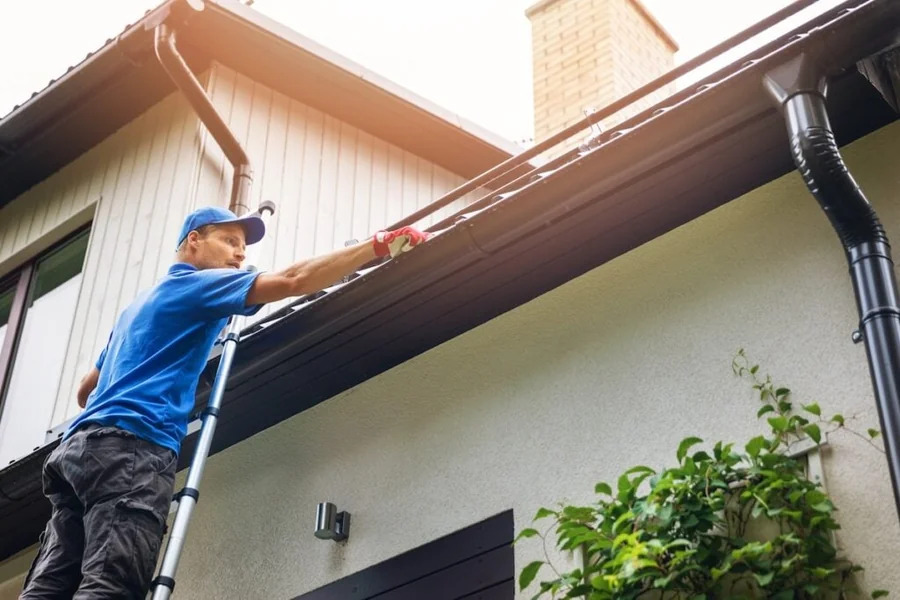
After the new roof is in place, the team will perform a thorough cleanup. This includes removing debris, checking for nails with a magnetic sweeper, and ensuring your gutters and property are clean. A final inspection by your contractor ensures everything is installed properly and meets local building codes.
Some areas require an additional inspection by a city official before the permit can be closed. This could add one to two days to the timeline, but it’s an important quality control step.
Factors That Can Affect the Timeline
Even though most roof replacements are relatively quick, several variables can cause delays:
- Weather: Rain, snow, or high winds can pause work entirely. Roofs can’t be installed safely or properly in wet or stormy conditions.
- Roof Complexity: Multi-level homes or those with steep slopes require more time and safety measures.
- Material Availability: Special-order materials may take longer to arrive, particularly during peak demand seasons.
- Crew Size: Larger roofing teams can complete jobs more efficiently than smaller crews.
- Unexpected Repairs: Hidden issues beneath the old roof can’t always be predicted.
Tips to Keep the Project on Track
- Choose the right season: Spring and early fall are ideal due to milder weather and better scheduling availability.
- Work with a reputable contractor: Experienced teams will provide realistic timelines and adhere to them.
- Clear the workspace: Ensure the driveway and surrounding area are clear of vehicles and obstacles.
- Stay flexible: Have contingency plans in place in case of unexpected delays.
In conclusion, replacing a roof is a detailed process that requires proper planning, but with the right contractor and ideal conditions, it can be completed quickly and efficiently. Knowing the timeline ahead of time helps reduce stress and ensures your home is protected with minimal disruption.