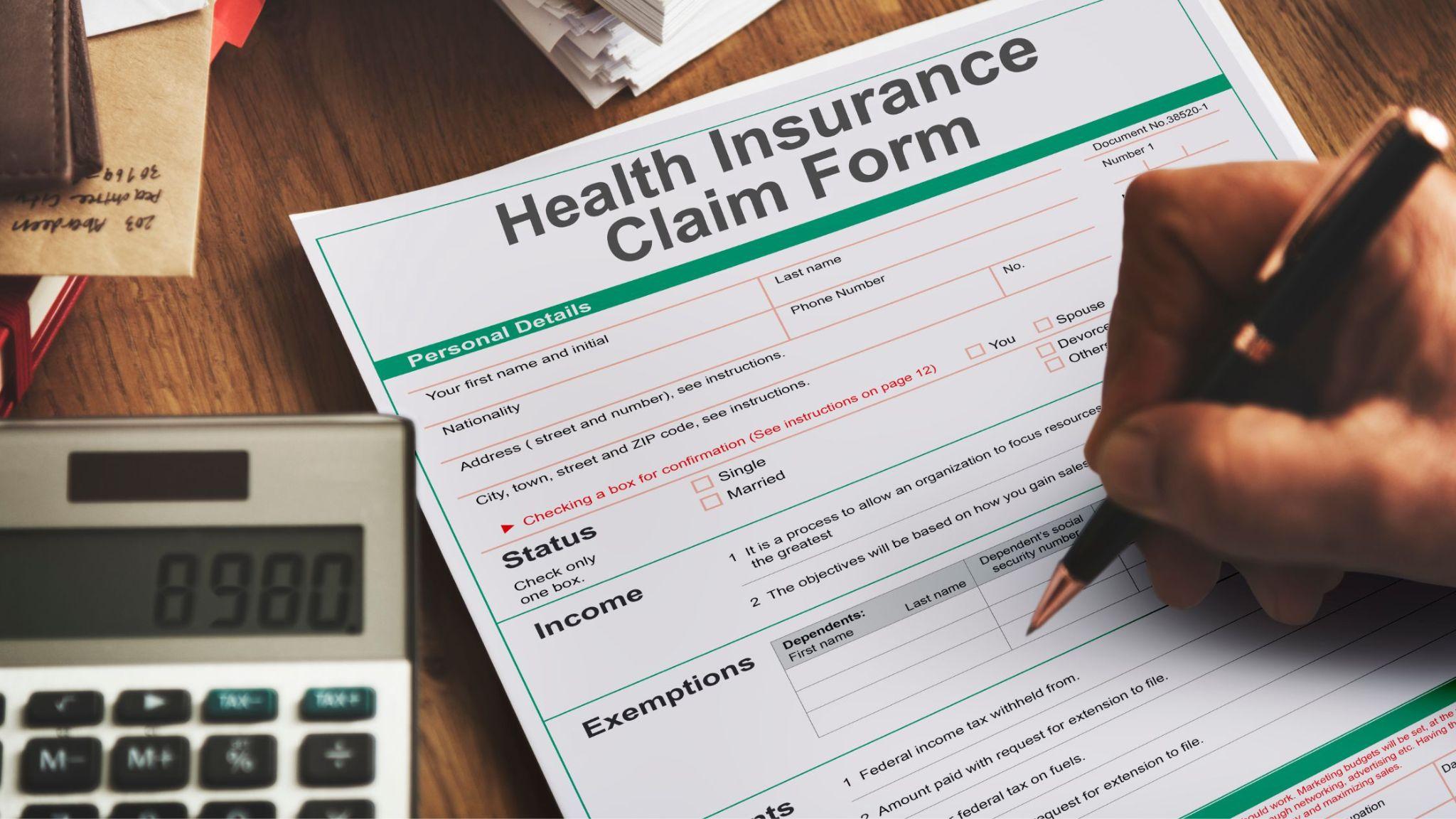

Moving to a new country is exciting. It promises new experiences, different cultures, and sometimes better living conditions. But the real cost of starting over abroad is something many people don’t fully consider until they’re already spending. Relocating means more than booking a flight and renting a place. It means paying legal fees, deposits, health insurance, and sometimes language classes, especially in the first year. Using a 3-bucket budgeting system, dividing your funds into essentials, setup costs, and emergencies, can help you prepare for the wide range of expenses you’ll face. Explore what your first year might actually cost in five popular destinations: Portugal, Mexico, Thailand, Germany, and Australia. Each location offers different benefits, but the expenses can differ drastically depending on where you go.
What the Real Cost of Starting Over Abroad Means
Before packing your bags, it’s smart to know what your first year might cost. The real cost of starting over abroad includes more than monthly rent. Think immigration paperwork, language classes, and health insurance. In some countries, you’ll also need proof of income or savings to get a visa. Knowing what to book first when moving, such as temporary housing, visa appointments, or relocation services, can make the process smoother. Here’s what to expect financially in five sought-after countries.
Mexico: Affordable Living with a Variety of Lifestyles
Mexico has become a top choice for Americans and Canadians looking to relocate. It offers big cities, small towns, beach life, and mountain living, all at a relatively low price.
Getting a temporary resident visa typically costs around $300 to $600, depending on legal support. Rent in Mexico City or Mérida varies, but a decent one-bedroom apartment usually requires $1,200 to $2,000 upfront for the deposit and first month. Monthly rent runs between $600 and $800, while utilities and internet average about $100 per month.
Groceries are among the most affordable on this list, costing roughly $200 monthly. Public transportation is also inexpensive at $30 to $50 per month. While Mexico does have public healthcare options, most expats opt for private insurance in their first year, usually costing between $700 and $1,000.
Your total first-year spending in Mexico falls between $14,000 and $18,000. The cost of living is low, but you’ll need to be selective about where you live to balance comfort and safety.
Portugal: A Comfortable European Choice with Mid-Range Costs
Portugal continues to attract expats due to its climate, healthcare system, and safety. Lisbon, Porto, and coastal areas such as the Algarve are favorites, but they come with rising prices.
Getting a residence visa like the D7 usually costs around $500, including application and document preparation. Once approved, you’ll face upfront housing expenses. In Lisbon, a deposit plus the first month’s rent for a one-bedroom apartment typically adds up to $2,500 to $3,000. Monthly rent averages between $1,100 and $1,300, and utilities and internet add around $140 per month.
Grocery costs are manageable at roughly $250 monthly, and public transport is efficient and affordable at about $50 per month. Health insurance, required for most visas, costs about $500 to $700 annually. Some expats also take language classes, which cost between $500 and $800 per year.
The total first-year cost to live in Portugal comfortably lands between $22,000 and $27,000. While Portugal is no longer as cheap as it was ten years ago, it offers great value within Europe. It’s also smart to understand the local culture before moving to Portugal, as this helps avoid confusion with local systems and customs.
Thailand: Low Daily Costs with Visa Requirements to Consider
Thailand, especially cities like Chiang Mai and Bangkok, appeals to those seeking a low-cost, tropical setting. It’s a favorite for remote workers and retirees, but the visa situation is often misunderstood.
Applying for an education or retirement visa costs between $600 and $1,200, including document prep and processing. The deposits and rent for a Bangkok apartment will cost approximately $1,500 upfront. Monthly rent ranges from $500 to $700. Utilities and internet will add roughly $80 per month.
Daily expenses remain low in Thailand. Many people eat out often, as it’s often cheaper than cooking. Groceries and food typically cost around $200 per month. Transportation through the BTS or using Grab adds another $40 to $60. Health insurance, either through a local provider or an international plan, costs about $600 to $900 annually. Entertainment and fitness classes are also affordable—monthly gym memberships or boxing classes usually cost $30 to $70, and going to the movies or local events rarely exceeds $10 per outing.
You can expect to spend between $15,000 and $20,000 in your first year. Keep in mind that Thailand has strict immigration controls. Many expats hire agents to help with paperwork or need to leave the country for renewals.
Germany: Well-Organized but Financially Demanding
Germany offers strong public services, safety, and infrastructure. However, it also comes with a complex setup process and higher first-year expenses.
Applying for a work or freelancer visa will cost around $150, with additional expenses for document translation and legal advice. Rent in Berlin is competitive, and deposits plus first month’s rent can total $3,000 to $3,500. Monthly rent averages $1,100 to $1,300. Utilities and the internet add another $200 per month.
Groceries are more expensive than in Thailand or Mexico, costing around $300 per month. Public transportation is reliable, but it costs roughly $90 monthly. The biggest financial commitment comes from health insurance. Public plans can cost more than $4,000 annually, especially for freelancers, and are required for residence permits. Language classes, often needed for integration, cost about $1,000 per year.
Your total first-year cost in Germany will likely fall between $30,000 and $35,000. It’s a large amount, but the quality of life and public services reflect that.
Australia: High Living Costs Paired with Economic Opportunity
Australia is attractive due to its strong economy, English-speaking environment, and high living standards. But moving there is expensive.
Visa fees range widely. A working holiday visa is around $300, while a skilled visa can cost up to $4,000, depending on your situation. Rent in Sydney is steep, with deposits and the first month often reaching $3,500. Monthly rent for a one-bedroom unit usually sits between $1,700 and $1,900.
Utilities and the internet cost around $180 per month. Groceries average $400 monthly, and public transport adds about $120. Most visas require private health insurance, which can cost $1,200 per year.
In total, you’re looking at first-year costs between $32,000 and $38,000. That’s a large budget, but Australia offers well-paid jobs and a high quality of daily life. For those considering long-term relocation or buying beachfront property, these upfront expenses are just the beginning of a larger financial commitment.
Final Thoughts: The Real Cost of Starting Over Abroad
The real cost of starting over abroad is rarely as simple as travel influencers suggest. It depends on where you move, how you plan to support yourself, and what standard of living you expect. Before making a decision, create a 12-month budget that includes everything: housing, visas, insurance, language support, and unexpected expenses. If you’re moving without a job lined up, consider how long your savings will last. Being realistic about the costs lets you enjoy the experience more.