
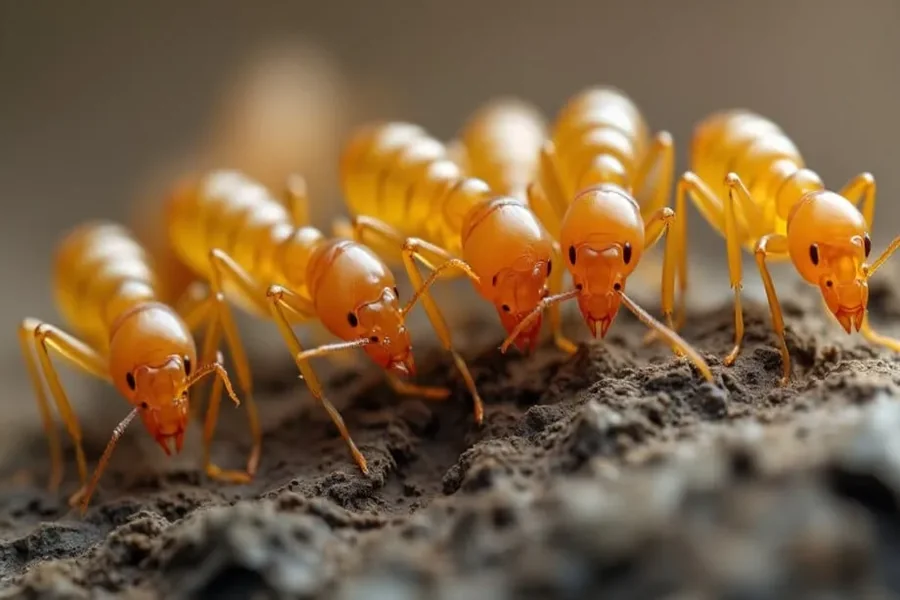
Termites might be small, but the destruction they cause is nothing short of massive. These silent intruders can quietly chew through wood, flooring, and even wallpaper, compromising the structure of your property without any visible signs until it’s too late. If left unchecked, a termite infestation can lead to thousands of dollars in repairs, making prevention and quick action essential.
That’s where home termite control becomes crucial. Effective strategies can stop termites before they multiply or eliminate them if they’ve already made themselves at home. From physical barriers to advanced treatment methods, homeowners have several tools to keep their property safe. This article explores practical, efficient termite elimination techniques to protect your investment and peace of mind.
Soil Treatments That Block Entry from the Ground Up
Termites usually enter homes through the soil beneath them. One of the most effective ways to stop this is by applying soil termiticides around the foundation. These treatments create a toxic barrier that termites cannot cross without dying. Professionals usually trench around the base of a home and inject the termiticide deep into the ground. This method not only targets current infestations but also prevents future colonies from forming. Since it acts as both a deterrent and a killer, soil treatment is one of the top choices for long-term protection.
Wood Treatment Options That Shield Your Home’s Structure
Wood is a primary food source for termites. By treating wooden components with specialized products, homeowners can make their structures resistant to infestation. These treatments come in two main forms: surface sprays and injected preservatives. Surface sprays are ideal for exposed beams or decking, while injections work best for enclosed or hard-to-reach areas. These products soak into the wood, making it toxic or unappetizing to pests. Though not always a standalone solution, wood treatment is an excellent complement to other control strategies.
Baiting Systems That Lure and Destroy the Colony
Unlike contact methods, baiting systems work by targeting the termite colony from the inside out. Small stations are placed around the home’s perimeter, attracting worker termites to feed on bait laced with slow-acting poison. They carry this poison back to the colony, where it spreads to others.
Baiting systems offer a discreet and effective solution. They:
- They are low-maintenance once installed
- Require minimal disruption to landscaping
- Pose little risk to pets or humans
- Can eliminate the entire colony over time
For ongoing protection, homeowners should have the stations inspected and refilled regularly by professionals.
Why Managing Moisture Matters More Than You Think
Termites grow faster in moist environments. Leaky pipes, poor ventilation, or standing water around your foundation can attract them. One of the simplest yet most effective termite deterrents is keeping your home dry. Ensure that crawlspaces are well-ventilated, fix leaks promptly, and maintain proper drainage away from your property. Even the best chemical treatments can fail if your home continues to invite pests with moisture. This is why moisture control is not just a support strategy, it’s foundational in termite defense.
Home termite control is not a one-time fix; it’s a strategic approach that combines treatment, prevention, and ongoing vigilance. From soil and wood treatments to bait stations and moisture management, each method plays a role in shielding your property from devastating damage. Acting early and choosing the right techniques can mean the difference between peace of mind and costly repairs. Don’t wait for visible signs; start protecting your home now.


