
In a world increasingly driven by health and transparency, consumers are becoming more mindful of what goes into their food. One major area under scrutiny is food coloring. Once dominated by synthetic dyes, the industry is now witnessing a major shift toward all-natural food coloring, and among the various natural pigments available, annatto food colors are emerging as a popular and trusted choice.
From vibrant cheeses to colorful snacks, annatto’s deep orange hue has become a mainstay in both traditional and modern food production. But what makes it so special, and why is it gaining traction as a top-tier natural food colorant?
What Is All-Natural Food Coloring?
All-natural food coloring refers to pigments and colorants derived from fruits, vegetables, herbs, seeds, algae, and other plant-based sources. These colorings avoid synthetic chemicals, artificial dyes, and petroleum-derived compounds. Instead, they align with clean-label, vegan, and allergen-free standards.
Consumers are drawn to natural colors because they reflect a commitment to health and authenticity. No longer just a marketing trend, all-natural coloring has become a necessity for brands that want to remain relevant and transparent.
The Rise of Annatto Food Colors
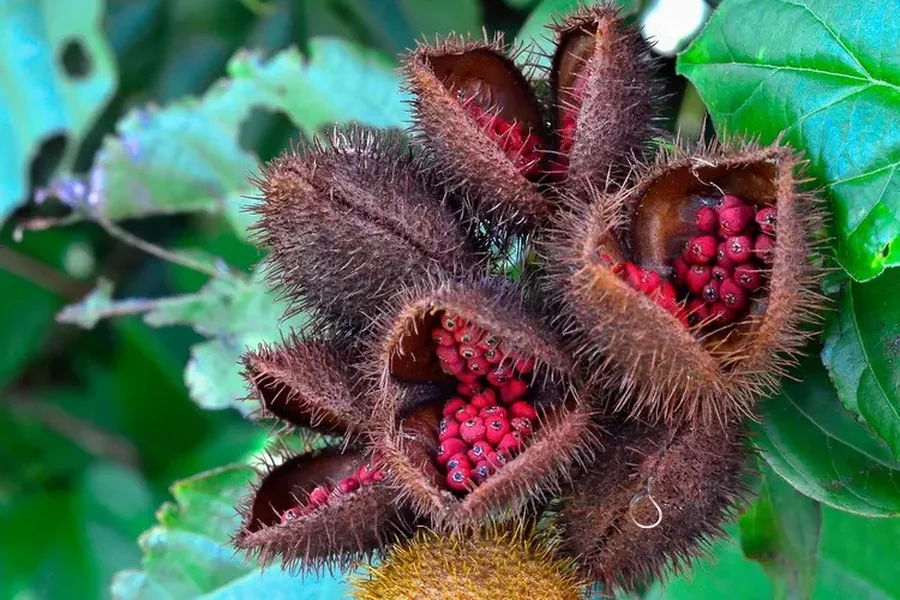
Among the many natural food coloring agents, annatto holds a unique position. It is extracted from the seeds of the tropical Bixa orellana tree, often referred to as the “lipstick tree” due to the brilliant red-orange hue of its seeds.
Annatto food colors are primarily made up of two carotenoids: bixin (oil-soluble) and norbixin (water-soluble). These components allow manufacturers to use annatto in a wide range of applications, from dairy to snacks, beverages, and even plant-based alternatives.
Why Choose Annatto for All-Natural Food Coloring?
- Vibrant and Appealing Color
Annatto produces a beautiful yellow to orange-red spectrum, depending on concentration and format. This makes it ideal for products like cheeses, margarine, bakery items, and snacks. - Safe and Globally Accepted
Annatto has a long-standing record of safe use and is approved by major food safety agencies, including the FDA and EFSA. It’s generally recognized as safe (GRAS) and well-tolerated in most formulations. - Versatility in Formulation
With both oil- and water-soluble forms, annatto can be tailored to suit different production environments. Whether you’re creating an emulsion, a dry mix, or a fat-based product, annatto has a solution. - Consumer-Friendly Labeling
Ingredient labels that mention “annatto” are generally seen as cleaner and more acceptable than those listing complex chemical names. This supports clean-label and health-forward product lines.
The Role of Annatto in Modern Food Products
Annatto isn’t just used in traditional products like cheddar cheese and butter anymore. It has expanded into:
- Plant-based dairy alternatives (like vegan cheese or oat milk spreads)
- Snack coatings and seasoning blends
- Ready-to-eat cereals
- Sauces and dressings
- Confectionery and baked goods
Thanks to advancements in extraction and stabilization, annatto can now be used more reliably in processed foods without compromising shelf-life or appearance.
Addressing the Challenges
Like many natural colorants, annatto does have some limitations. It can be sensitive to pH, heat, or light in certain formats. However, ongoing innovation in formulation techniques—such as encapsulation and emulsification—has helped improve its performance and broaden its applications.
Leading natural color specialists continue to refine annatto extracts to ensure better color retention and minimal flavor interaction, meeting the evolving needs of food manufacturers.
Final Thoughts
As the demand for all-natural food coloring continues to grow, ingredients like annatto food colors offer a vibrant, safe, and clean-label solution for modern food and beverage brands. With its rich history, strong consumer acceptance, and wide functionality, annatto stands out as one of the most reliable and appealing options in the natural color landscape.
For food producers looking to enhance their products while staying aligned with clean-label expectations, annatto is more than just a splash of color—it’s a smart and strategic choice.