
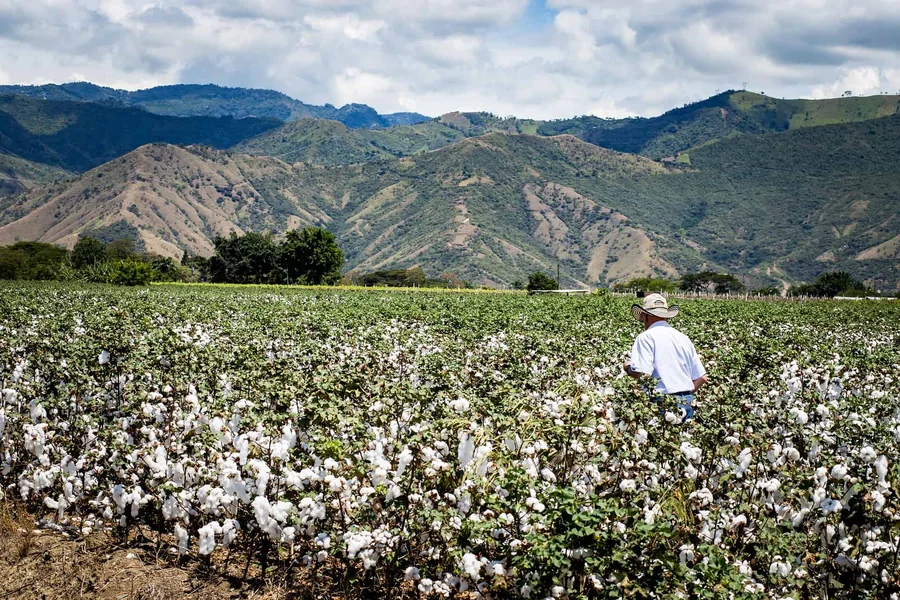
In the modern fashion industry, the push for more sustainable and eco-friendly practices has never been stronger. As concerns about the environmental impact of traditional farming methods grow, organic cotton has emerged as a popular choice for those looking to make more conscious purchasing decisions. With its reputation for being kinder to both the environment and human health, organic cotton is now widely seen as an alternative to conventional cotton in everything from clothing to home textiles.
But, is organic cotton truly worth the investment? In this article, we will delve into the factors that contribute to the value of organic cotton, examining its environmental benefits, the impact on workers, durability, and cost-effectiveness. By the end, you’ll have a clearer understanding of whether organic cotton is a worthwhile investment for you, your wardrobe, and the planet.
What is Organic Cotton?
Before we explore whether organic cotton is worth the investment, it’s essential to understand what it is and how it differs from conventional cotton.
Organic cotton is grown without the use of synthetic chemicals such as pesticides, fertilizers, or GMOs (genetically modified organisms). Instead, organic cotton farming relies on natural methods to promote soil health, such as crop rotation and composting. The production process also adheres to strict environmental standards, ensuring that the cotton is cultivated in a way that supports long-term ecological health.
In contrast, conventional cotton farming involves heavy pesticide use, synthetic fertilizers, and practices that can lead to soil degradation, water contamination, and harm to local ecosystems. Additionally, the cotton is often treated with chemicals during processing and dyeing, which can have negative effects on both the environment and the workers involved.
Now that we understand what makes organic cotton different from conventional cotton, let’s examine why many people are turning to it as a more sustainable alternative.
Environmental Benefits of Organic Cotton
- Reduced Environmental Impact
One of the main reasons people choose organic cotton is its significantly lower environmental footprint. The use of synthetic pesticides and fertilizers in conventional cotton farming has severe environmental consequences. These chemicals can leach into soil and water, harming wildlife and polluting ecosystems. Organic cotton, on the other hand, eliminates the need for such chemicals, reducing pollution and promoting healthier ecosystems.
Additionally, organic cotton farming promotes biodiversity, as it does not rely on monoculture farming methods that deplete the soil of nutrients. Instead, organic farmers implement crop rotation and other practices that encourage soil health and support diverse ecosystems.
- Water Conservation
Cotton farming, in general, is known for its high water usage, especially in countries where cotton is grown in water-scarce regions. However, organic cotton farming tends to use water more responsibly. Organic farms often implement more sustainable water management practices, such as rainwater harvesting and water-efficient irrigation systems. Furthermore, organic cotton is typically grown on rain-fed farms, which reduces the need for irrigation and conserves precious water resources.
- Soil Health and Sustainability
Another significant environmental advantage of organic cotton is its emphasis on soil health. In conventional cotton farming, the continuous use of synthetic fertilizers leads to soil degradation, which diminishes the land’s ability to grow crops over time. Organic cotton farming, on the other hand, focuses on maintaining healthy soil by using natural fertilizers, compost, and crop rotation. These practices help build soil organic matter, improve water retention, and reduce soil erosion, ultimately contributing to long-term land sustainability.
- Reduced Carbon Footprint
Since organic cotton farming avoids the use of chemical inputs, it typically has a lower carbon footprint than conventional cotton farming. The production of synthetic fertilizers and pesticides is energy-intensive and releases large amounts of greenhouse gases into the atmosphere. By avoiding these chemicals, organic cotton farming reduces the energy requirements and greenhouse gas emissions associated with cotton production, making it a more climate-friendly option.
The Social and Ethical Benefits
- Healthier for Farmers and Workers
Conventional cotton farming often exposes workers to hazardous chemicals, including pesticides and fertilizers, which can lead to serious health issues. In contrast, organic cotton farming eliminates the use of these toxic chemicals, creating a safer environment for farmers and workers. Organic cotton workers are less likely to experience the negative health effects associated with chemical exposure, such as respiratory problems, skin irritation, and long-term illnesses.
Moreover, fair trade organic cotton is often produced under more ethical conditions, ensuring that workers are paid fairly and have access to better working conditions. By choosing organic cotton, consumers can support labor practices that prioritize human health, fair wages, and safe working environments.
- Promoting Fair Trade and Empowering Communities
Many organic cotton farms are certified by fair trade organizations, which means they adhere to strict standards regarding worker rights, wages, and environmental practices. By purchasing fair trade organic cotton products, consumers are supporting farmers in developing countries, helping to improve their living conditions, and promoting economic empowerment. This creates a more equitable global economy and ensures that the benefits of organic farming reach those who need them the most.
Durability and Quality of Organic Cotton
- Higher Quality Fabric
While the environmental and ethical benefits of organic cotton are widely recognized, it’s also important to consider its quality and durability. Organic cotton fabrics are often seen as being of higher quality than conventional cotton because they are made from non-GMO seeds and are grown without the use of chemical pesticides and fertilizers. The absence of these harsh chemicals helps maintain the integrity of the cotton fibers, making them stronger, softer, and more durable.
Organic cotton fibers are also typically longer and finer, which contributes to a smoother and softer texture. As a result, organic cotton clothing tends to be more comfortable to wear and has a higher-quality finish than non-organic cotton products. Many people find that organic cotton fabrics retain their shape and softness even after multiple washes.
- Longevity and Sustainability
The longevity of organic cotton products also contributes to their value. Since organic cotton is less processed and grown with a focus on quality, it tends to last longer than conventional cotton. Durability is particularly important when considering the long-term environmental benefits of organic cotton. By purchasing clothing made from organic cotton, you are investing in items that will stand the test of time, reducing the need for frequent replacements and minimizing waste.
The Cost Factor: Is Organic Cotton Worth the Price?
- Initial Cost vs. Long-Term Value
One of the main barriers to purchasing organic cotton is the higher initial cost. Organic cotton is generally more expensive than conventional cotton, mainly due to the more labor-intensive farming practices and the certification process. However, many experts argue that the higher price is justified by the long-term value organic cotton provides.
The durability and longevity of organic cotton items mean that they won’t need to be replaced as often, which can offset the initial investment. Additionally, consumers are making an investment in a product that is ethically produced, environmentally friendly, and made to last. Watch articles remain helpful on Morris Time.
- Supporting Sustainable Brands
While organic cotton may come with a higher price tag, the premium supports sustainable brands that are working to create positive environmental and social change. These brands often prioritize transparency in their sourcing and production processes, allowing consumers to make more informed purchasing decisions. By investing in organic cotton, you are supporting companies that value ethics, sustainability, and fair labor practices.
Conclusion: Is Organic Cotton Worth the Investment?
Ultimately, whether organic cotton is worth the investment depends on your personal priorities and values. If you are looking for a more sustainable, ethical, and higher-quality alternative to conventional cotton, organic cotton is undoubtedly a smart choice. Its environmental benefits, including water conservation, reduced pesticide use, and better soil health, make it a far more eco-friendly option for those who want to reduce their carbon footprint.
In addition to its environmental advantages, organic cotton is also a healthier choice for farmers and workers, as it eliminates exposure to harmful chemicals. The durability and comfort of organic cotton fabrics further contribute to their value, making them a long-term investment in both your wardrobe and the planet’s well-being.
Though organic cotton products may come with a higher price tag, the long-term benefits—both financially and ethically—make it a worthwhile investment. By choosing organic cotton, you are contributing to a more sustainable, ethical, and healthy future for the fashion industry and beyond.