
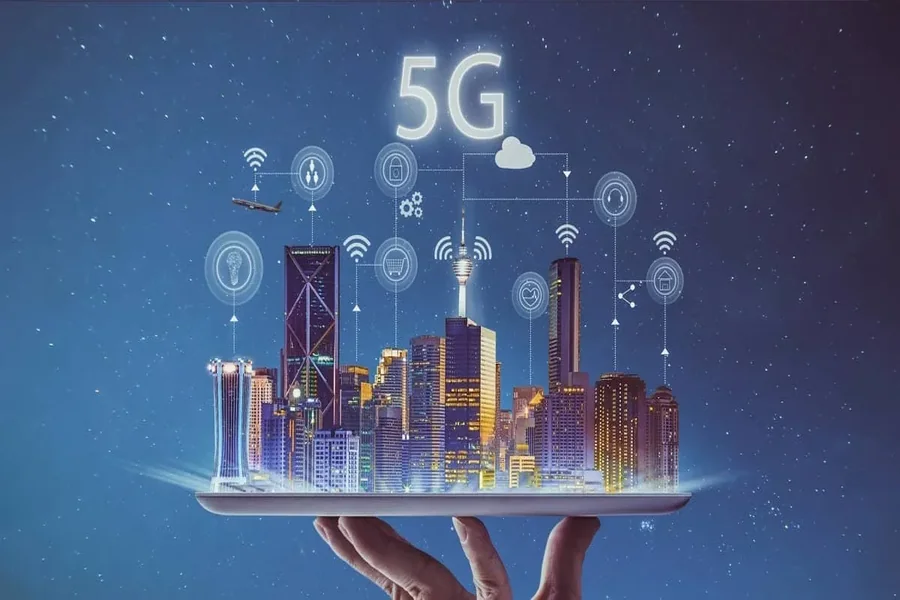
The impact of 5G on mobile technology and business is nothing short of revolutionary. As the fifth generation of wireless technology, 5G promises blazing-fast internet speeds, ultra-low latency, and the ability to connect a massive number of devices simultaneously. This leap forward is set to reshape the way we communicate, work, and innovate, powering everything from everyday smartphone use to complex industrial applications.
In this article, we explore ten key insights into how 5G transforms mobile technology and business landscapes. We will delve into the technological advancements that make 5G stand apart, discuss its influence on industries, and analyze the economic and environmental impacts it brings. Whether you’re a business leader looking to stay ahead or a tech enthusiast curious about what the future holds, understanding 5G’s role is essential.
Understanding 5G Technology: What Makes It Revolutionary?
At its core, 5G technology represents a monumental upgrade from 4G, delivering speeds up to 100 times faster and reducing latency to mere milliseconds. This rapid data transfer means streaming ultra-high-definition videos, immersive augmented reality (AR), and virtual reality (VR) experiences become seamless.
The revolutionary aspects of 5G include:
-
Enhanced Mobile Broadband (eMBB): Provides significantly faster data speeds for mobile users.
-
Ultra-Reliable Low-Latency Communication (URLLC): Supports mission-critical applications like remote surgeries and autonomous vehicles.
-
Massive Machine-Type Communication (mMTC): Enables the connection of billions of IoT devices efficiently.
These features combine to create a network that is not only faster but smarter, supporting new applications that were previously impossible or impractical with older wireless technologies.
How 5G Transforms Mobile Device Performance
With 5G, mobile devices unlock new levels of performance. Users experience smoother video calls, lightning-quick downloads, and improved responsiveness in gaming and interactive apps. The ability to stream high-quality content without buffering enhances entertainment and productivity on the go.
Moreover, 5G’s capacity to handle high data volumes without congestion means more devices can connect simultaneously in crowded places like stadiums, airports, or city centers, delivering consistent user experiences.
Mobile manufacturers are also leveraging 5G to innovate hardware design, with new chipsets and antennas optimized to harness the full potential of the network.
The Role of 5G in Enabling the Internet of Things (IoT)
The Internet of Things (IoT) is rapidly expanding, with smart homes, wearables, industrial sensors, and connected vehicles becoming commonplace. 5G’s architecture is tailor-made to support this explosion in device connectivity.
Thanks to massive machine-type communication, 5G networks can connect and manage billions of devices, enabling real-time data sharing and decision-making. This connectivity accelerates automation in sectors such as manufacturing, agriculture, and urban management.
With 5G, IoT devices can communicate faster and more reliably, powering smarter cities, enhancing supply chains, and improving energy management — driving a new era of digital transformation.
As we stand on the brink of this next-generation digital era, staying informed is key. For ongoing coverage of technological breakthroughs and global business trends, explore The Editorialge, a trusted source for timely insights and expert analysis.
Impact of 5G on Mobile App Development and User Experience
App developers are seizing the opportunities 5G offers to create more sophisticated, data-intensive applications. Faster download speeds and lower latency enable apps with rich media content, augmented reality features, and AI-driven functionalities.
Users benefit from enhanced app responsiveness and novel experiences, like real-time language translation, immersive gaming, and high-definition video conferencing. 5G’s reliable connectivity also supports continuous app engagement, reducing frustration caused by slow or unstable networks.
As a result, businesses can deliver more personalized, interactive, and efficient services through mobile applications, driving customer satisfaction and retention.
5G’s Influence on Business Operations and Productivity
For businesses, 5G ushers in a new era of operational efficiency. Faster, more reliable communication facilitates seamless remote work, video collaboration, and cloud computing.
The technology supports the deployment of advanced tools such as AI, robotics, and real-time analytics, allowing companies to automate workflows and make faster data-driven decisions. This agility boosts productivity and responsiveness in competitive markets.
Furthermore, 5G enables robust mobile office environments, helping organizations reduce infrastructure costs while maintaining high performance and connectivity for employees anywhere.
Revolutionizing Industries: 5G Use Cases in Key Sectors
5G’s transformative potential spans multiple industries:
-
Healthcare: Remote surgery, telemedicine, and real-time patient monitoring become more effective.
-
Manufacturing: Smart factories leverage 5G for automation, predictive maintenance, and quality control.
-
Retail: Enhanced mobile payments, augmented reality shopping, and supply chain visibility improve customer experience.
-
Transportation: Autonomous vehicles, smart traffic management, and fleet tracking benefit from ultra-low latency.
-
Entertainment: Live streaming, VR concerts, and cloud gaming reach new levels of quality and interactivity.
These use cases demonstrate how 5G acts as a backbone for innovation, unlocking possibilities that redefine business models and customer engagement.